
NDIS Supports
We provide person-centred NDIS supports in a safe, judgment-free environment where everyone is respected, valued, and supported to live life their way.
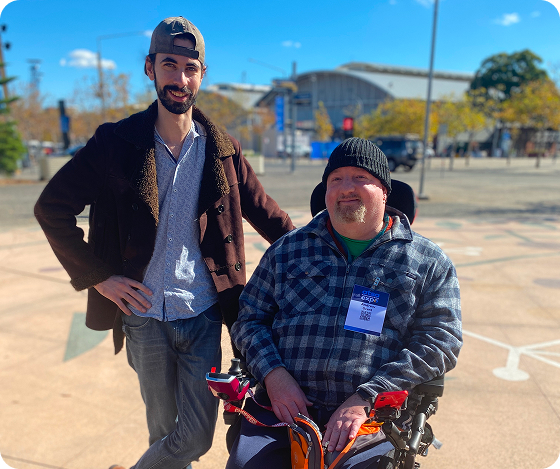
Respectful, Trauma-Informed Support
We acknowledge Aboriginal and Torres Strait Islander peoples as the Traditional Custodians of the land and pay our respects to Elders past and present. Our supports for First Nations participants are culturally safe and trauma-informed, recognising the importance of culture, community, and the impacts of intergenerational trauma.
We proudly support the LGBTQIA+ community and deliver affirming, trauma-informed care that recognises the harm many people have experienced in systems of support. We respect your identity, name, pronouns, relationships, and lived experience.
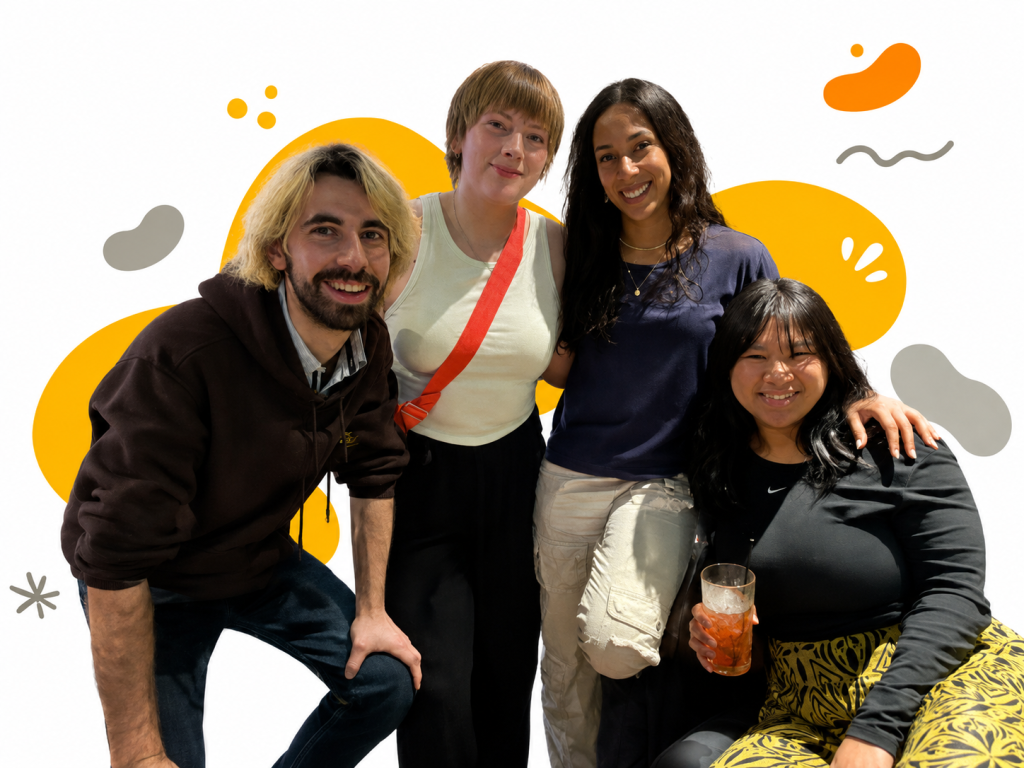
Support That Reflects You
Our Commitment
- Person-centred, trauma-informed care
- Culturally safe and inclusive practices
- Respect, dignity, and choice
- Safe, non-judgmental suppor
Daily Living & In-home supports
Personal care
- Showering, bathing, toileting
- Dressing and grooming
- Support with mobility at home
Household tasks
- Laundry (washing, drying, folding)
- Dishwashing and basic tidying
- Light cleaning (vacuuming, mopping, bathrooms)
Meal support
- Meal preparation
- Assistance with eating and drinking
- Support with special dietary needs
Daily routines
- Morning and evening routines
- Establishing daily structure and healthy habits
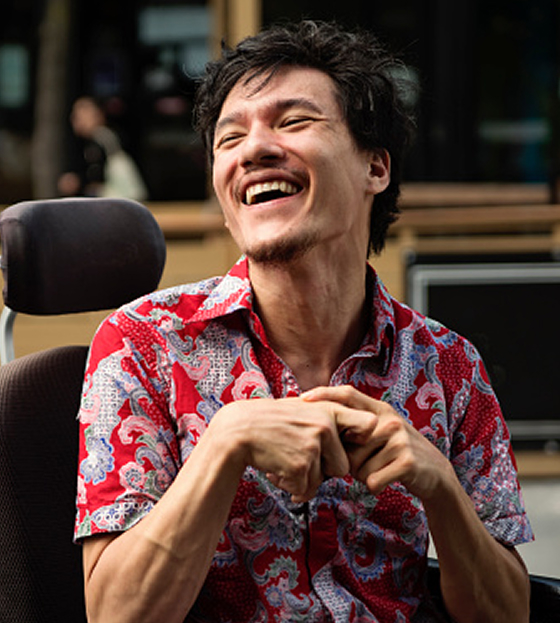
Social and Community Participation
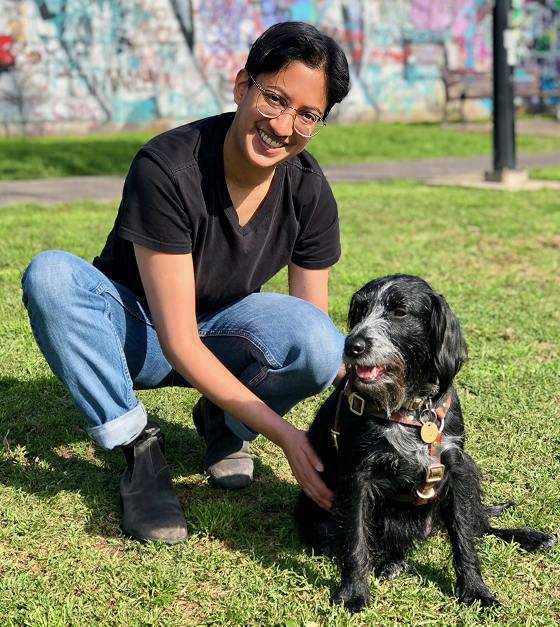
Our friendly support workers can assist with a wide range of everyday activities, including:
- Attending social groups, clubs, or community events
- Shopping, errands, and banking
- Medical or allied health appointments
- Using public transport or travelling safely in the community
- Recreational activities such as gyms, libraries, or hobbies
- Education, training, volunteering, or employment-related activities
- Building social skills and confidence
- Visiting friends and maintaining social connections
Support workers may use their own vehicles where required, with any costs discussed and agreed upon in advance. We also recommend applying for a NSW Companion Card, which allows a support person free entry to many venues.
Supported Independent Living (SIL)

Support Coordination &
Psychosocial Recovery Coaching

Support Coordination
Support Coordination is an NDIS support that helps participants understand, organise, and use the supports in their NDIS plan.
A Support Coordinator works alongside the participant to build their capacity to manage supports independently, connect with service providers, and work toward their goals. This role is similar to a traditional Case Manager, however, a Support coordinator does things with you rather than for you.
Psychosocial Recovery Coach
A Psychosocial Recovery Coach is an NDIS support that helps you strengthen your recovery, wellbeing, and independence if you are living with a psychosocial disability. Your Recovery Coach works alongside you to understand what recovery means to you and supports you to build the skills, confidence, and connections you need to live a meaningful life.
Unlike other supports, a Psychosocial Recovery Coach focuses on your mental health recovery journey. They help you identify your strengths, manage challenges, coordinate supports across mental health and community services, and stay engaged with your NDIS plan—especially during times of change or increased need.
What is a Psychosocial Disability?
A psychosocial disability is a disability that can arise when a person experiences ongoing mental health challenges that affect their ability to take part in everyday activities such as work, study, relationships, or community life.
It is not the mental health condition itself that is the disability, but the impact it has on a person’s daily functioning. A psychosocial disability may be permanent or episodic, meaning its impact can change over time.